Directed by: Christopher Nolan
Written by: Christopher Nolan
Run Time: 2 hours 52 minutes
Christopher Nolan has been a respected director for the majority of his career; however, something really shifted with the release of Oppenheimer (2023). Its role in counter-programming phenomenon Barbenheimer, its subsequent success at the box office and its later dominance at the Oscars propelled Nolan’s prominence as a filmmaker to dizzying new heights, even for him. Now, with his profile at its most elevated, Nolan is taking on The Odyssey — a tale of truly immense scale, and certainly one fitting for a director of his stature.
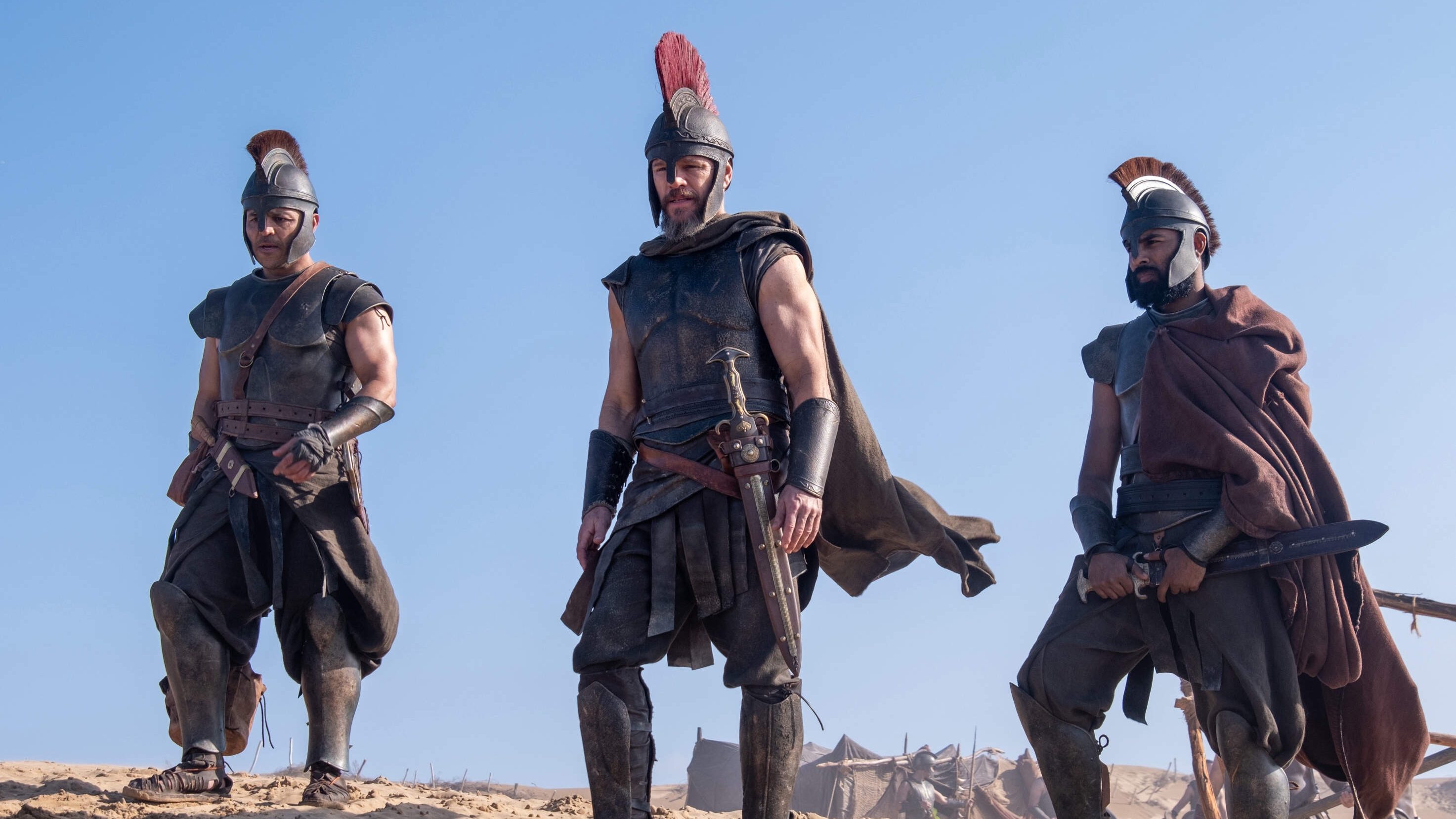
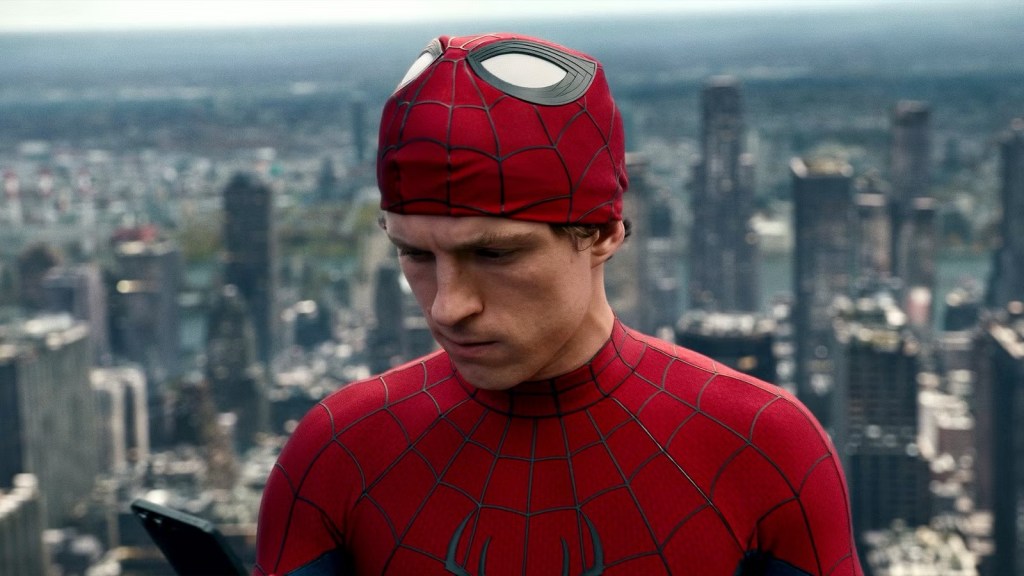
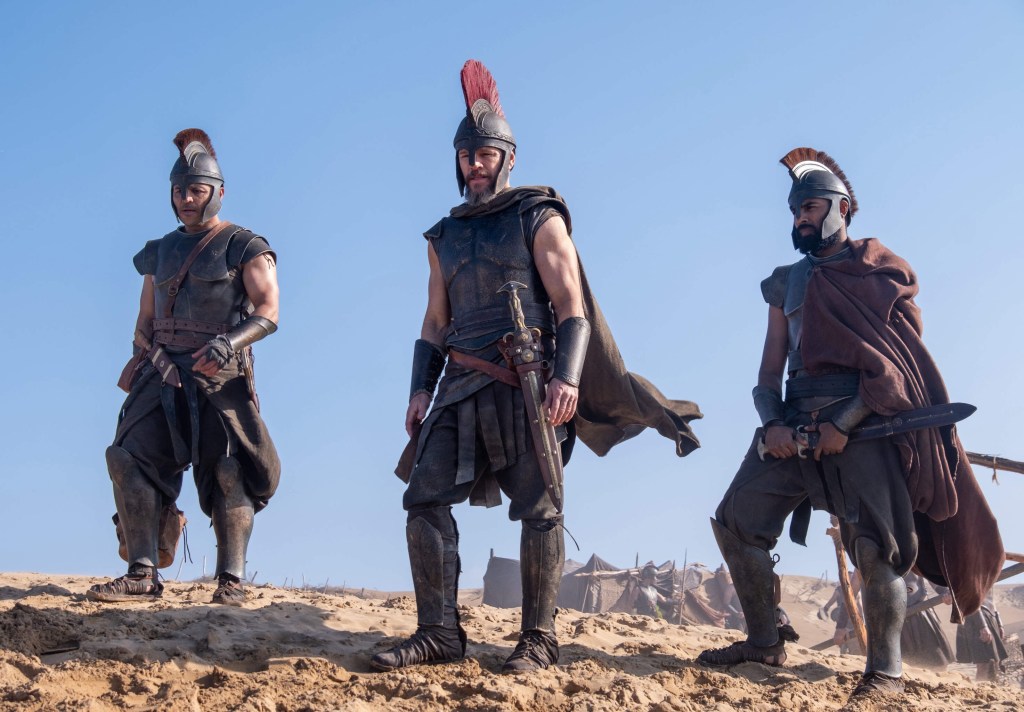
Based on Homer’s Ancient Greek poem of the same name, Nolan’s film follows Odysseus (Matt Damon), the King of Ithaca, as he attempts to make his way home after the Trojan War. In his absence, numerous suitors have taken up residence in the royal palace in an attempt to court his wife, Queen Penelope (Anne Hathaway), and prevent their son, Telemachus (Tom Holland), from taking the throne. As the situation becomes increasingly hostile, Telemachus decides to leave Ithaca in search of his father, twenty years after he first departed.
Following both father and son across several decades, The Odyssey does not adopt a linear storytelling structure. This is unsurprising, considering Nolan’s penchant for jumping between timelines. Much like his rapid-fire character introductions in Oppenheimer, his screenplay for The Odyssey does not shy away from its wealth of characters, immediately acquainting audiences with its many soldiers and suitors across multiple time periods. It’s a choppy first act that feels lacking in both context and direction, but the film finds its rhythm soon after through its depiction of Odysseus’ epic homeward journey.
Perhaps conscious of the film’s substantial length, Nolan ensures that his plot is fast-paced. As Odysseus travels from island to island, encountering a range of mythical creatures, the momentum never wanes. Whether it’s an escape attempt from the cave of the cyclops or an intense struggle against the song of the sirens, The Odyssey continually provides its audience with thrilling set pieces. However, the relentless pace works both for and against the film, as some moments of respite would have also been welcome. While the constant onslaught of action is undoubtedly exciting, it neglects a certain level of character development and therefore the potential for more emotional investment. When the film does eventually pause, as Odysseus reflects on the events at Troy with Zendaya’s Athena, this is where The Odyssey truly excels.
Of course there are many wonderful sequences throughout the film too. As Circe, a superb Samantha Morton gives The Odyssey its most compelling chapter, offering a chilling portrayal of a witch prepared to do whatever it takes to protect herself from the men who land on her shores. To stand out in a cast as crowded and talented as this is quite an achievement, but Morton manages it with ease, becoming one of the film’s strongest assets. Likewise, Elliot Page makes the most of his limited screen time as Sinon, the soldier left behind to present the gift of the Trojan Horse. His impassioned portrayal provides the film with its most affecting performance and sows the seeds for Odysseus’ eventual and impactful emotional reckoning.
Nolan is no stranger to working with large casts though, and here he presents another example of an ensemble that is strong across the board. As the leads, Tom Holland and particularly Matt Damon are reliable as ever, capably guiding audiences through the story. With excellent support from the likes of Robert Pattinson as weaselly suitor Antinous and Himesh Patel as Eurylochus, Odysseus’ sceptical second-in-command, there are assured and entertaining performances at almost every turn. In assembling such an impressive array of actors Nolan makes sure that his sizeable cinematic ship is in safe hands.
It’s a pity, then, that Ludwig Göransson’s score doesn’t find the same grandeur that the story does; in fact, it’s rather unremarkable, especially when his previous work for the likes of Black Panther (2018) and Sinners (2025) are considered. Although overall it’s one of his lesser scores, it isn’t without highlights, with both “Troy” and “Sirens” expertly enhancing the mood of their respective scenes. As expected, the other technical elements of The Odyssey are excellent. Nolan’s visuals are as sharp as ever, combining effective CGI with clever practical effects, including animatronics and forced perspective, that give his picture a really credible, grounded feel.
Commendable as they are though, there was definitely room for Nolan to lean further into certain fantasy elements. His disappointing rendering of Scylla — the six-headed cliff dwelling monster that feasts on passing sailors — is the clearest indication of this. In the hands of a different director, this story would likely have been far more fantastical. However, regardless of whether audiences wanted a more faithful embrace of Homer’s fantasy, Nolan can’t be faulted for executing his vision with tonal cohesion and technical precision.
His final act brings together all the elements of this, his more measured reading, delivering a story that resembles the Trojan Horse itself: a grand, visually imposing spectacle on the outside, but one that conceals a darker truth within. Ultimately, Nolan’s The Odyssey becomes less about the myths and the monsters, and more about the monstrous actions of men.
Star Rating: ★ ★ ★ ★



Leave a Reply