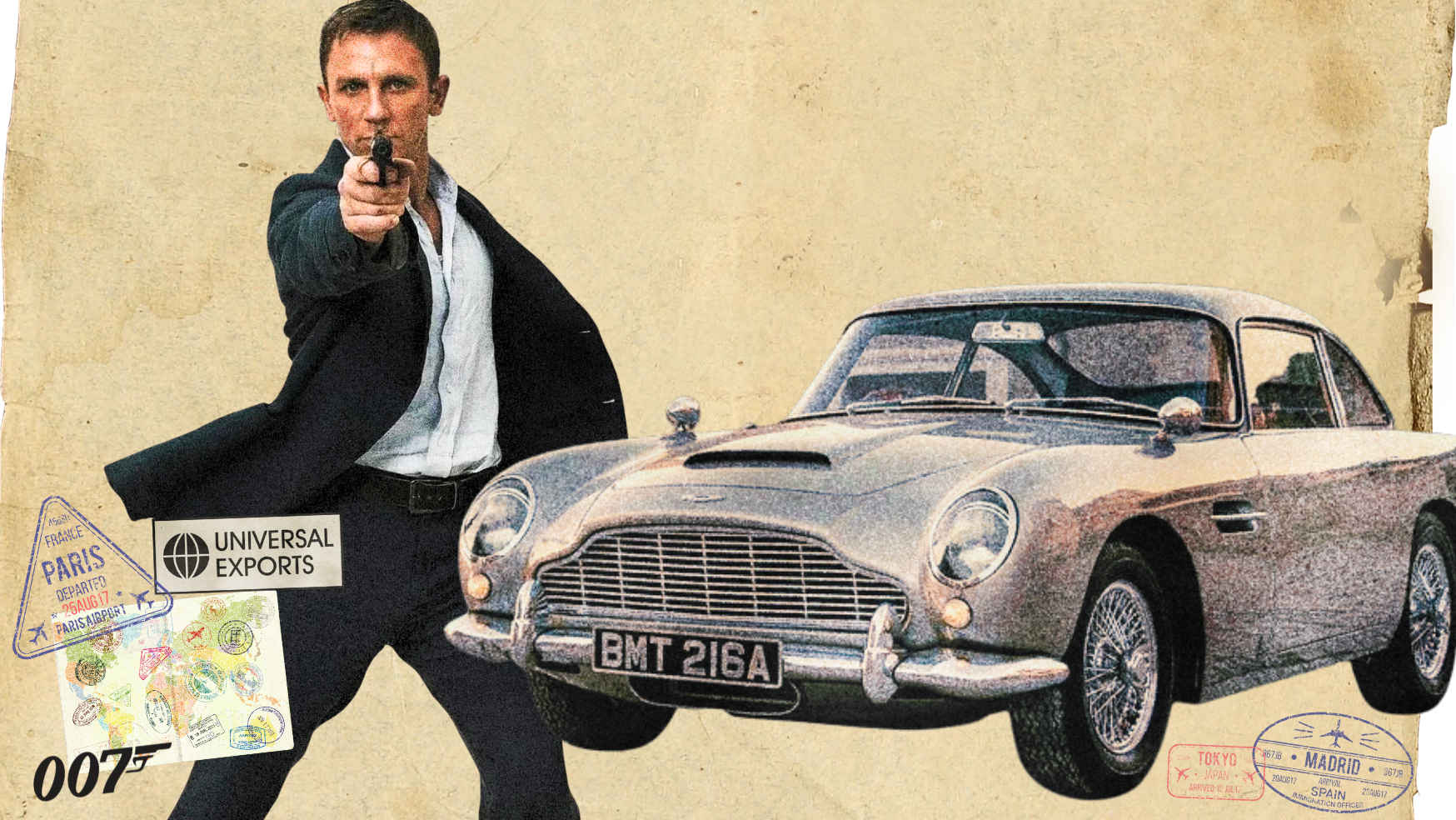
With Amazon MGM Studios gaining creative control of 007 from Eon Productions in a landmark deal in 2025, the future of the franchise has gradually been taking shape. Denis Villeneuve (Blade Runner 2049, Dune) has been announced as the director for the next film, with Steven Knight (Locke, Spencer) set to pen the screenplay.
Meanwhile, casting for the super-spy himself is still underway, with Aussie actor Jacob Elordi and Brit Aaron Taylor-Johnson amongst the favourites to take on the iconic role. As it’s such an important decision, it’s easy to understand why the studio is taking so long to decide. So while we wait for the big reveal, we’ve put together a list of 007 things we would like to see from the next James Bond film.
1. A Period Setting
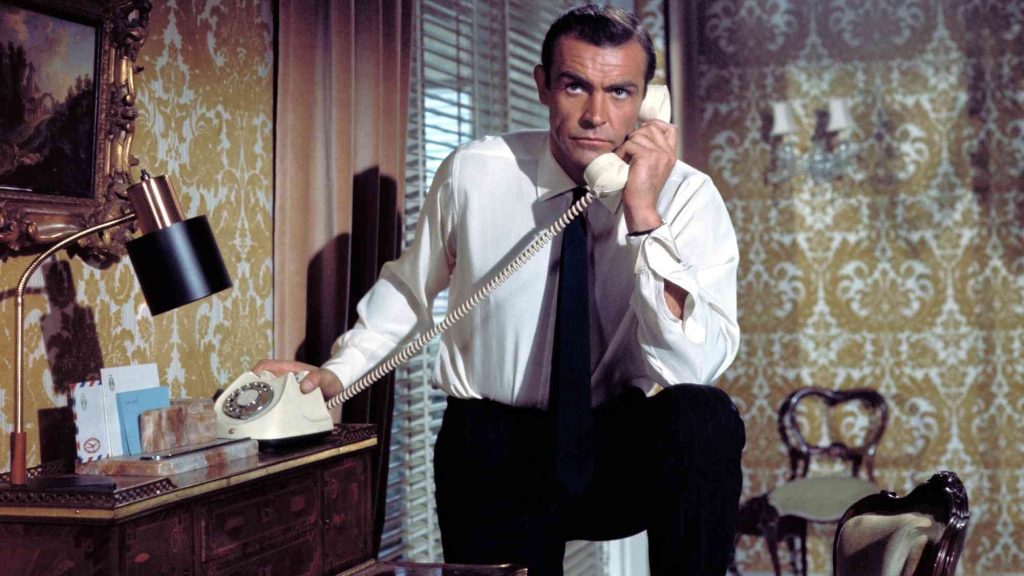
Bond needs to go back in time. After all, Ian Fleming’s novels were primarily set between the 1950s and 1960s, with the Cold War being a major backdrop for many of 007’s missions. The Eon films started here too, before eventually moving with the times. Most recently, Daniel Craig’s time as Bond saw him come up against more modern threats such as cyber warfare and financial terrorism. And while several of his films were very successful (Casino Royale and Skyfall are franchise highs), with the potential for a fresh start — especially considering the definitive ending of his last film, No Time to Die (2021) — why not take Bond back to the era he belongs in?
The prospect of a proper, period-accurate espionage thriller is so exciting and with modern filmmaking techniques and big budgets at Amazon’s disposal, they could create a really stunning picture. The cars, the costumes and the casinos all call for it! And with series like Mission: Impossible already giving audiences contemporary takes on the genre, why bother doing the same? James Bond should stand out, and he certainly doesn’t need to be fighting AI in his next mission.
2. A Standalone Mission
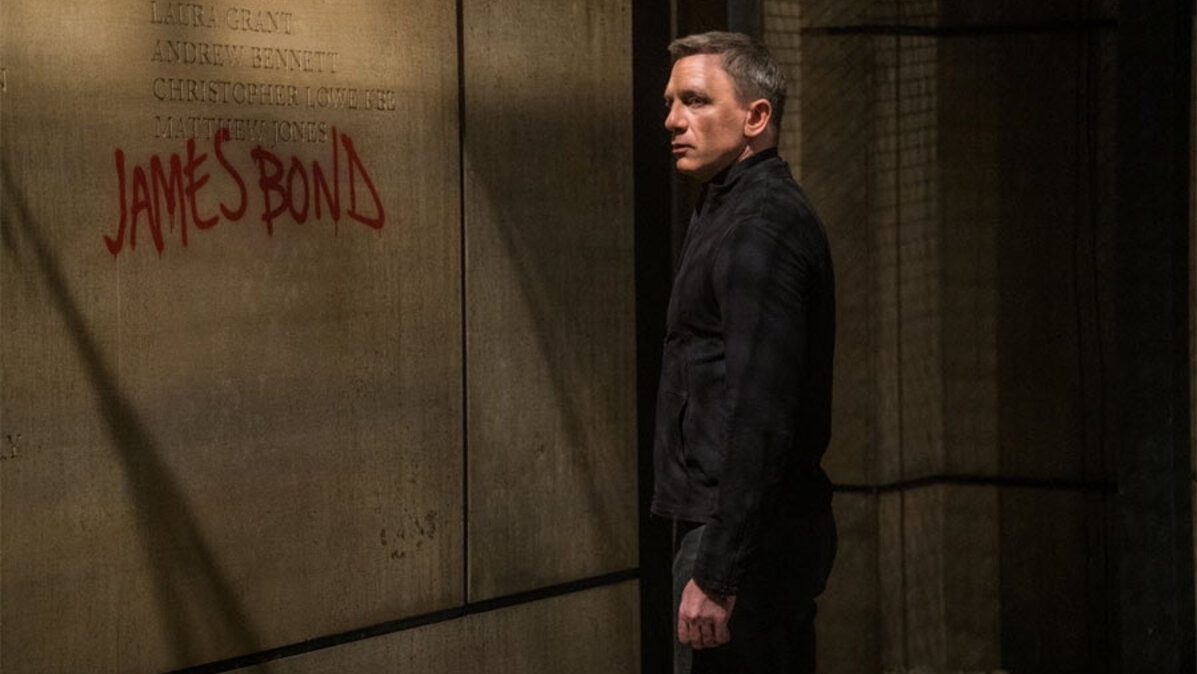
One of the biggest sins of Daniel Craig’s tenure as 007 was the attempt to create a continuous story arc between all of his films. Spectre (2015) was the main offender, featuring a plot that pulled from Craig’s previous outings as well as including a more personal angle of Bond’s own story. There’s a strong case to be made for it being the worst Bond film of all time, and most frustratingly, it was completely unnecessary. By this point Craig’s era had already delivered two excellent action adventures that — at the time of their release — functioned perfectly as standalone entries.
The beauty of a franchise like Bond is that its films don’t need to be connected. Yes, they take place within the same universe and follow the same main character, but there’s no need for the Marvel method of one film simply setting up the next. There’s so much value in strong, self-contained stories — as proven by many of the franchise’s best films. Each adventure should be able to be watched in isolation, and what better formula to facilitate this than unique, unrelated missions? It’s how the series has survived this long, and what will allow it to continue for years to come.
3. A Female Villain
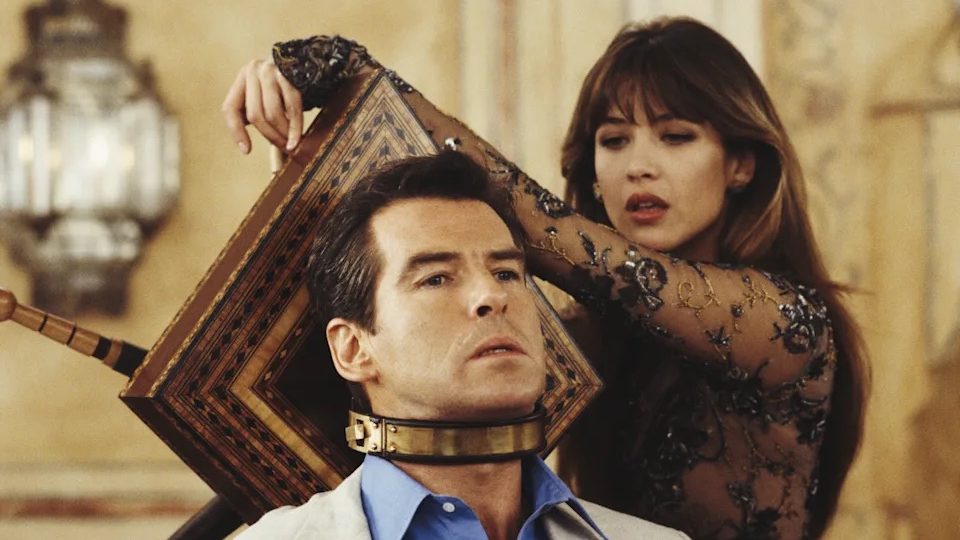
It’s quite something that across the entire Bond franchise only two of the main villains have been female: Lotte Lenya’s Rosa Klebb in From Russia With Love (1963) and Sophie Marceau’s Elektra King in The World is Not Enough (1999). Both had to share the screen with other male villains too, yet remain in the upper echelons of Bond baddies — especially Elektra. Of course, elsewhere in the franchise there have been many iconic henchwomen over the years; Grace Jones as May Day, Famke Janssen as Xenia Onatopp and Rosamund Pike as Miranda Frost, to name just a few, but Bond is well overdue a formidable female adversary as the main villain again.
With this history of standout performances from women throughout the series, there’s no excuse not to have a fully-fledged female antagonist front and centre once more. And considering it’s been over twenty-five years since the last one, the change would be as refreshing as it is necessary. There are so many fantastic actors that could deliver a formidable performance in this kind of a role. Cate Blanchett, Viola Davis, and Marion Cotillard all have experience as villainous characters, so why not have someone as seasoned as them put Bond through his paces.
4. Practical Effects

Aesthetically, there’s a reason why so many of the Bond films look so good, and it’s not just Daniel Craig in his swimming trunks. Rather, the franchise’s use of practical effects, including intricate miniatures and superb stunt work, has facilitated the production of some of the most iconic action imagery in cinema history. The ski jump in The Spy Who Loved Me (1977), the tanker explosion in Licence to Kill (1989), and the Aston Martin barrel roll in Casino Royale (2006) are only a few examples of many. All were done for real, and when you see the spectacular end results, you can tell.
This authenticity is a huge part of why Bond plays so brilliantly on the big screen and why sequences shot decades ago still look fantastic today. Of course, there are exceptions. Due to its over-reliance on CGI, Die Another Day (2002) — the series’ visual low point — looks more dated than dapper. And now, with Amazon acquiring the rights to 007 in an age that often favours CGI over practical effects, the worry is that the studio may employ similar tactics. If so, the franchise’s famed reputation for action would likely disappear quicker than Bond’s invisible Aston Martin.
5. A Classic Poster
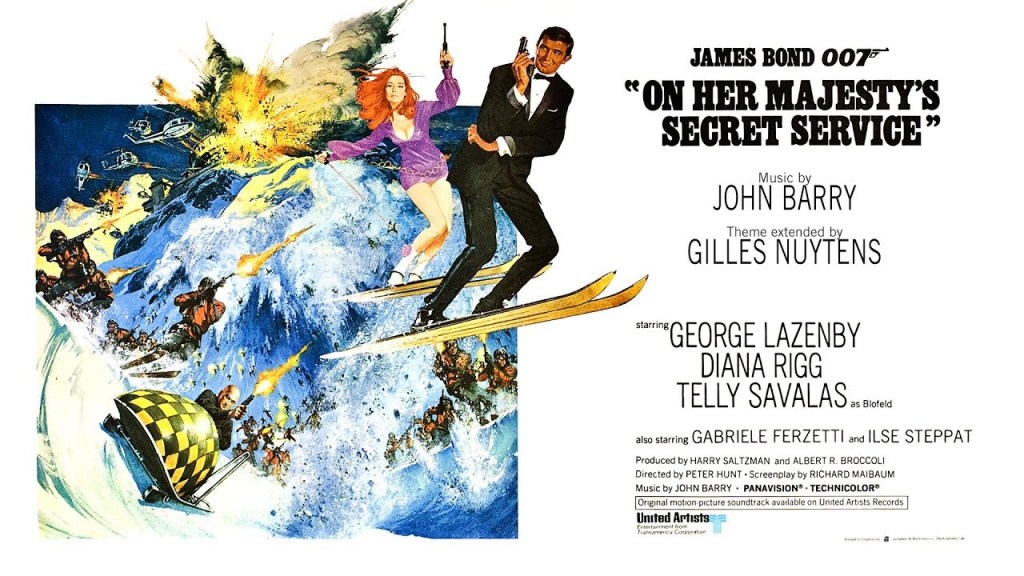
Bond posters used to be actual works of art. Illustrators would sketch their designs and then hand-paint over them for detail, creating vibrant scenes of action encapsulating the plot, location and characters of each film. However, over time the posters for the franchise have become increasingly diluted and dull, with Daniel Craig’s era featuring the most lifeless of them all. Apparently a generic still of Bond slapped in front of the 007 logo is what’s deemed acceptable now? A franchise as exciting as this deserves a collection of visuals just as striking.
What’s more, with today’s increased presence of AI “art,” a classic poster would also act as an important stand against this generative, derivative tool. Other franchises have fallen victim to the same backwards development when it comes to their contemporary posters too, with many relying on the uninspired “floating heads” style design for their promotion. What a way to stand out then, by reverting to the more authentic, detailed posters of the franchise’s celebrated past — producing accompanying artwork that fans would actually be proud to hang on their walls.
6. A Memorable Henchman
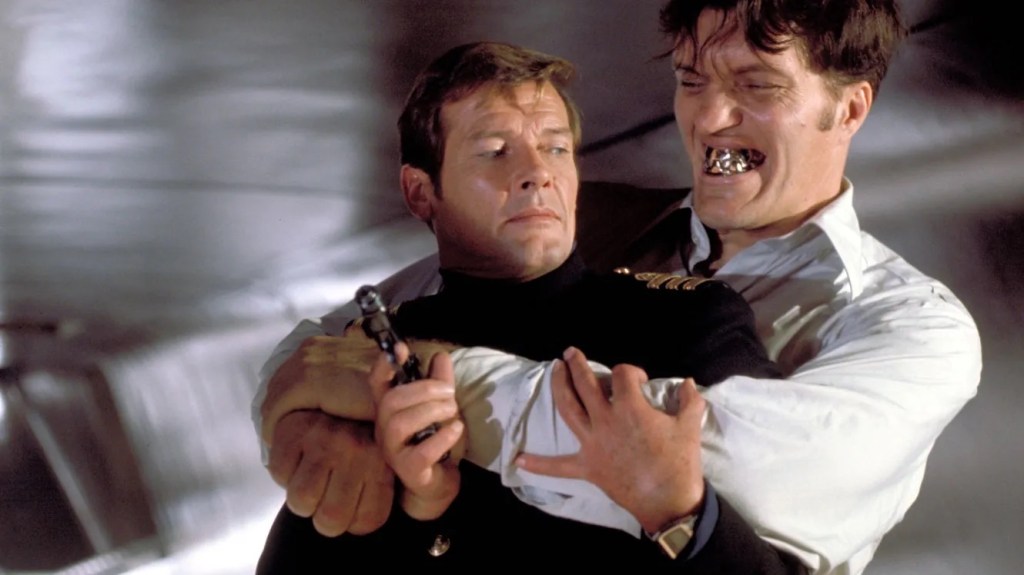
It’s been far too long since Bond gave audiences a memorable henchman. In fact, Daniel Craig went his entire tenure as 007 without facing even one — sorry Mr. Hinx. It’s a shame, because a great henchman can go on to become just as or even more iconic than the main villain they work for. Richard Kiel’s gnarly-grinned Jaws certainly steals the show from Curd Jürgens’ Karl Stromberg in The Spy Who Loved Me, while the likes of Red Grant, Oddjob and Nick Nack all give their respective big bads a serious run for their money — each almost besting Bond in the process too.
They bring a lot of fun to the franchise as well, with Bond often facing off with them multiple times throughout the film before eventually encountering the main baddie. And whether it’s knife-throwing skills, a razor-edged bowler hat or a crate of exploding milk bottles, their unique weaponry and specialised skills always present Bond with a new challenge to overcome. This variety and occasional absurdity is a big part of what made James Bond the distinctive cinematic figure he is today, so it feels fitting that the next adventure in the series should see a hot-headed henchman return to wreak havoc and leave a truly lasting impression on the franchise.
7. Awards Glory
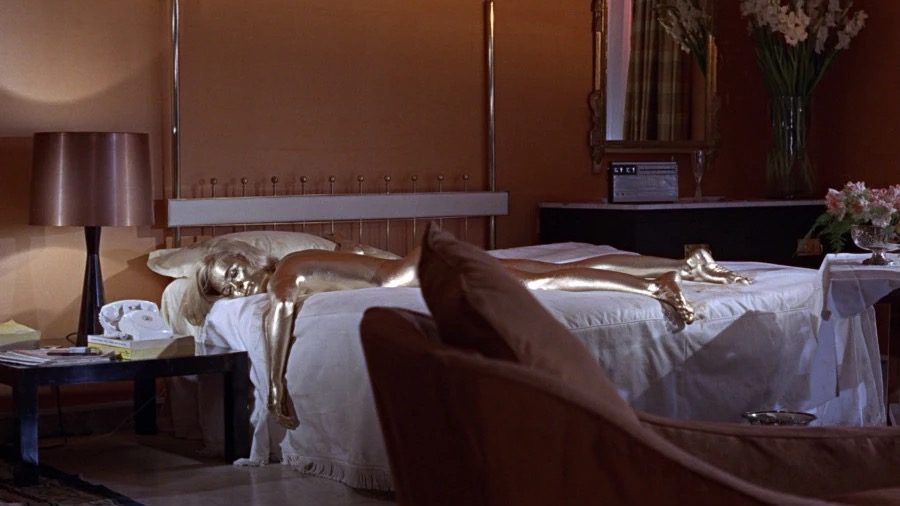
To date, the Bond franchise has only won six Oscars. Now, while receiving any recognition from the Academy is impressive, for a film series as iconic, enduring, and accomplished as James Bond, that number should be significantly higher. Especially when you consider that half of those wins are for Best Original Song. Not to discredit those victories at all — the three winning themes are all brilliant — but they hardly recognise the actual craft of the filmmaking itself.
However, with the introduction of a Stunt Design category for the 100th Academy Awards in 2028, any new Bond film should be a shoo-in for at least a nomination and perhaps a win if the quality is there. But Bond should be able to compete in more categories than just this, and yes, that includes Best Picture. After all, the Academy has warmed up to blockbusters over the last decade or so, and if films like Mad Max: Fury Road (2015), Top Gun: Maverick (2022) and F1 (2025) can be in contention for Best Picture, why can’t Bond be? With Denis Villeneuve at the helm too (every one of his films has received at least one nomination), this could be Bond’s chance to win big — the world may not be enough, but another couple of Oscars would be nice.





Leave a Reply