
Another eclectic crop of Best Picture nominees made headlines at the 97th Academy Awards; from the blockbuster hits Dune: Part Two and Wicked, to stories about human lives in the face of adversary I’m Still Here and Nickel Boys, the musically-inclined Emilia Perez and A Complete Unknown, to the festival darlings Anora and The Brutalist, and of course the very real grapple of power and control in Conclave and The Substance.
Nevertheless, when the curtain falls on this awards season, the big nominees – including these ten films nominated for this year’s Best Picture – will go down, to varying degree, in the Oscar’s history book, proudly wearing their “Oscar nominated” status as badges of pride.
But what of the once-tipped contenders that did not see their award season dreams fulfilled? After all, no matter how packed the shortlist is, there will always be films deemed to have been “snubbed” from proceedings. Let’s take a look at nine of this year’s contenders that missed out on a nomination in the illustrious Best Picture category, and see where it all went wrong for them.
A Real Pain

Despite receiving two strong nominations – an original screenplay nod, and an almost-guaranteed-for-the-win Best Supporting Actor nom for Kieran Culkin, Jesse Eisenberg’s A Real Pain failed to pick up enough support for a Best Picture nomination, despite pundits favouring it over I’m Still Here and Nickel Boys.
Falling victim to its distributor having stronger chances elsewhere, A Complete Unknown took up most of Searchlight’s efforts, leaving A Real Pain to pick up what it could; its FYC was almost entirely ran on cast interviews which doubled as promotion for the film’s theatrical run, while A Complete Unknown pulled out all the stops – including a perfectly-timed hosting gig for star Timothée Chalamet on Saturday Night Live.
Sadly, it makes sense. A Complete Unknown scored eight nominations and has pulled in over $100 million at the box office to date, paying for its own campaign with its grosses; A Real Pain has a little over $20 million to date which isn’t the type of cash flow that will convince studios to mount pricey campaigns.
Sing Sing
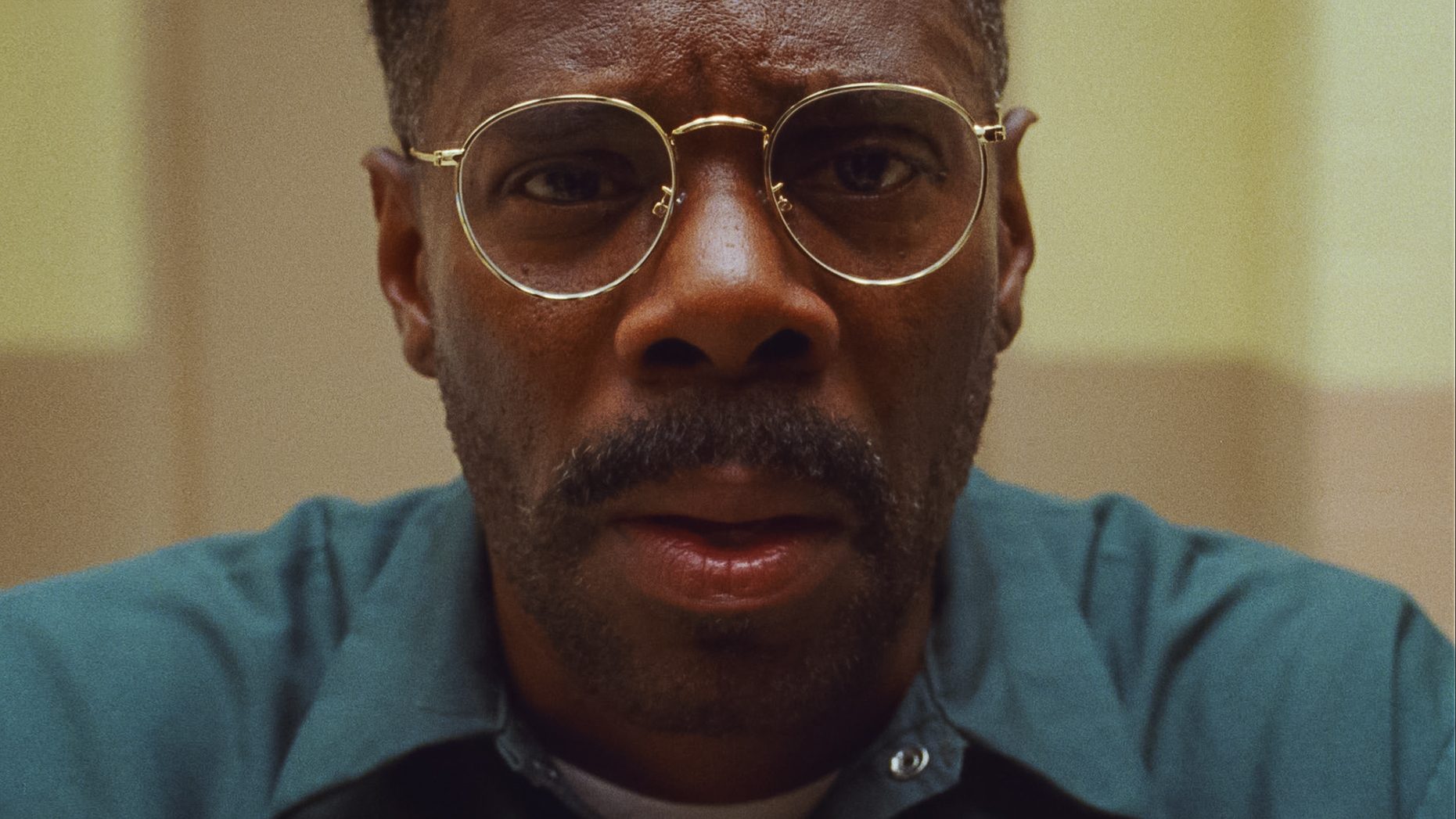
Greg Kwedar’s Sing Sing warmed audiences’ hearts over the summer as its theatrical run got underway stateside and overseas. While it certainly stood out as an interesting time to release the film, it actually debuted almost a year prior to that at Toronto International Film Festival in September 2023.
That means, in essence, Sing Sing was running an almost 18 month campaign for a shot at Oscar success. Trying to maintain that level of momentum for anything in this attention-deficient age was always going to be a tough ask, and Sing Sing paid the price, ultimately running out of steam after a lukewarm box office result and dwindling support at early award ceremonies and critic circles.
Had Sing Sing’s team been able to mobilise quicker post-debut, we would likely be looking at a very different version of events – one where the film gets the attention and appreciation it deserved – but the window from premiering to Oscar voting was simply too considerable for it to weather, and fighting the heavy hitters, this big-hearted little film just couldn’t put up a fight.
The Wild Robot
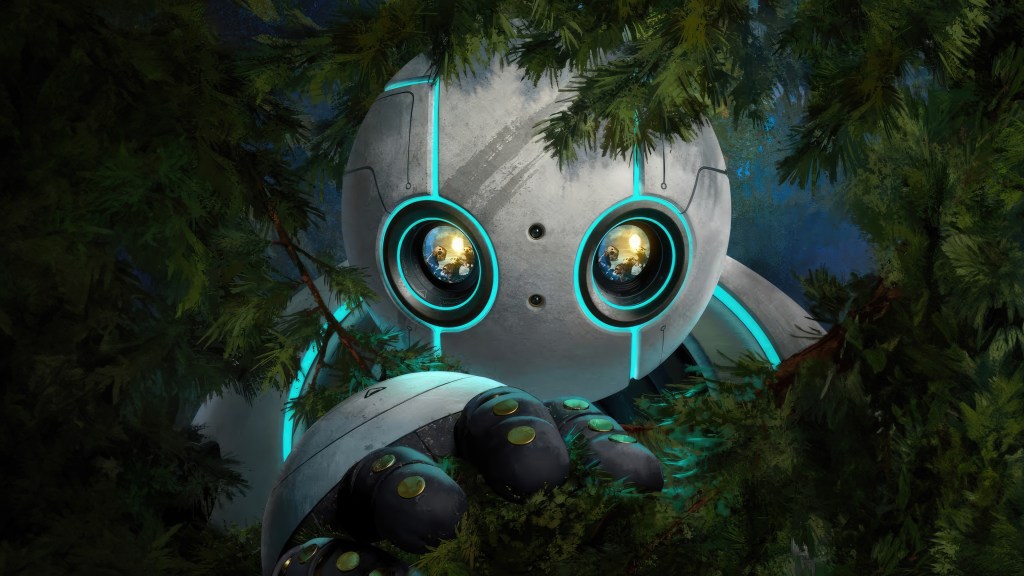
Animated films breaking through into Best Picture is a rare feat. Beauty & The Beast (1991), Up (2009) and Toy Story 3 (2010) are the only titles that have ascended the Animated Feature category to the big leagues, and while Universal’s The Wild Robot was once considered a contender in the category, the only other nominations it managed to nab were for Sound and Score.
DreamWorks Animation has never had the same success as its Disney and Disney Pixar stablemates have had in breaking out of Animated Feature. Perhaps it’s a result of less consistency on a critical note, lacking the prestigious “event film” status of Pixar in particular. Still, as it stands, there’s every chance it triumphs Disney’s Inside Out 2 in Animated Feature, which would go a long way in establishing its strength as animators.
All We Imagine as Light
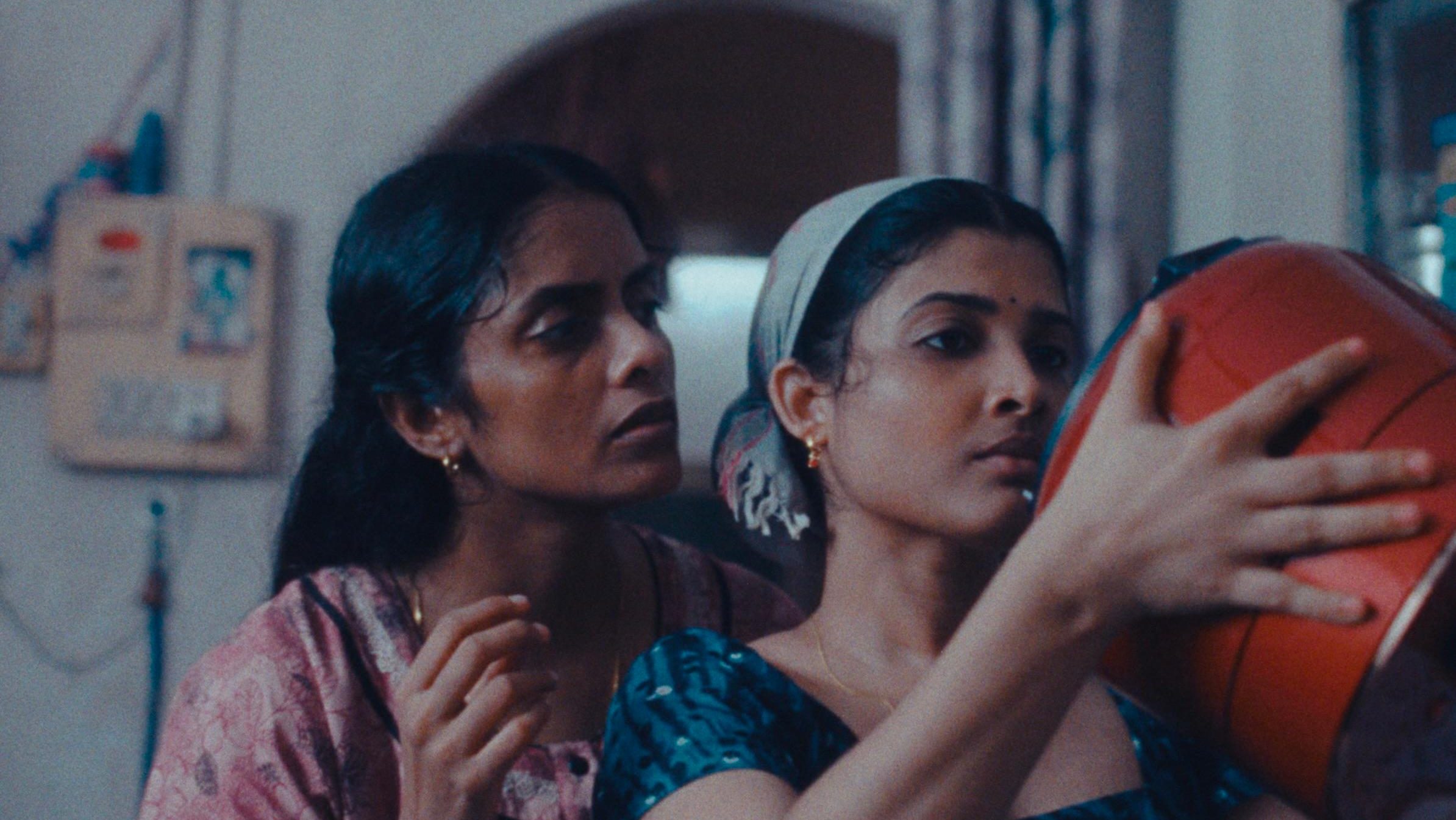
After a shining start at the Cannes Film Festival, where it was selected to receive the Grand Jury Prize, Payal Kapadia’s All We Imagine as Light hit an early snag in its award season race when neither France nor India selected it as its International Feature submission.
For the category, the Academy asks each country to designate its official submission and without the backing of France (who submitted the now 13 times nominee Emilia Perez) and India (choosing Laapataa Ladies, which ultimately failed to make the pre-nomination shortlist), All We Imagine As Light was dealt a blow it couldn’t come back from. Although the film was still eligible for a nomination in the remaining categories, including, of course, Best Picture, the added attention a nomination in the International Feature category could have been fundamental in securing a greater number of eyes on the project, which could have translated to nominations elsewhere.
Compounded with poor domestic distribution, never playing in more than 51 theatres at one time, All We Imagine As Light faded out to a whimper, thus ending its Academy Award dreams.
Juror #2
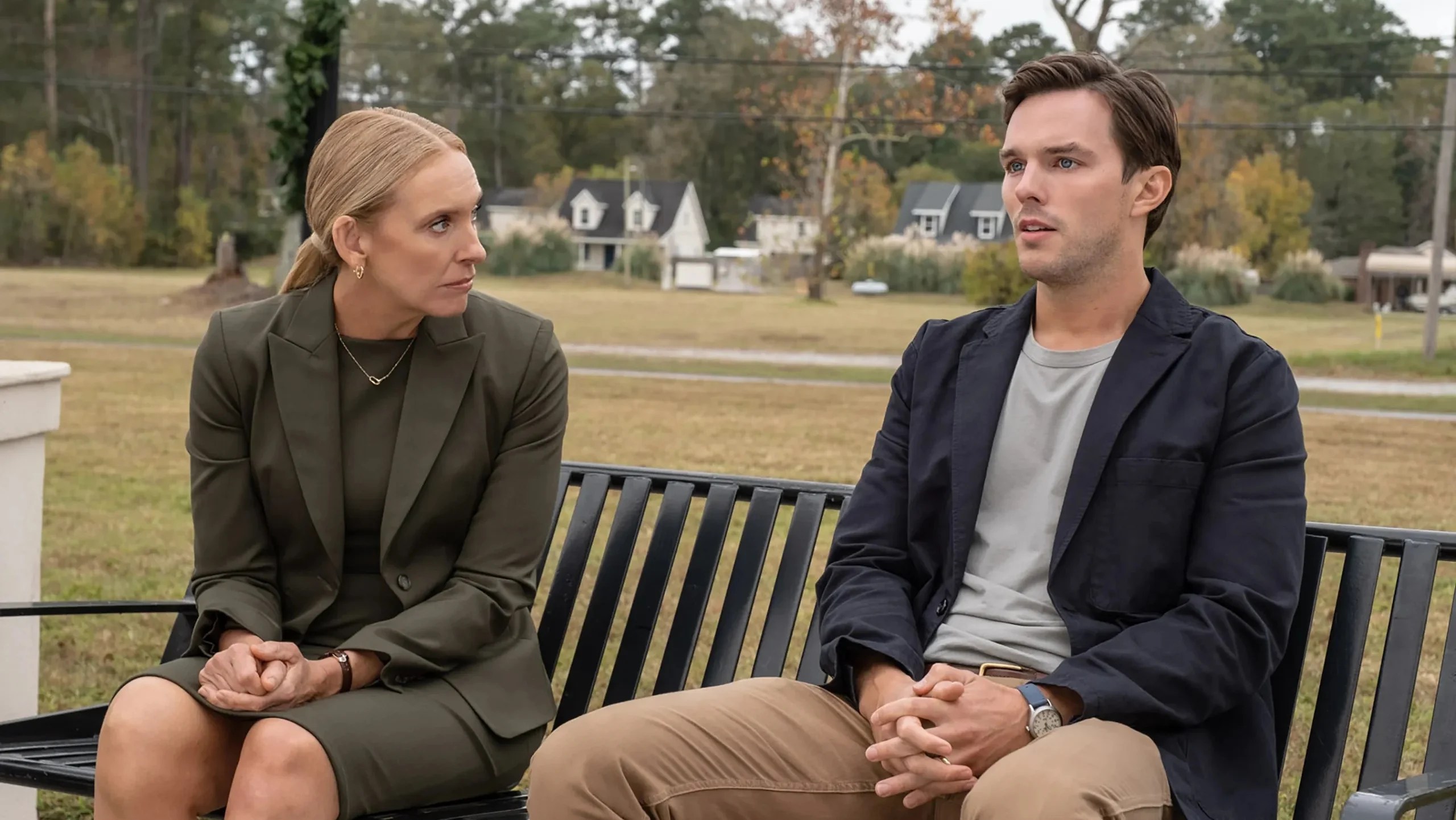
Juror #2 was tipped at being Clint Eastwood’s return as a competitive contender at the Oscars, with his last major player coming over a decade ago in the form of American Sniper (2014). Alongside rumblings that it may be his Eastwood’s final film, it seemed a shoe-in for award attention.
And yet, Warner Bros completely dropped the ball. Despite Eastwood’s commercial appeal, maintaining a decent box office showing in spite of general declining grosses for dramas at the cineplex, the film released in fewer than 50 domestic theatres and was later retooled as a “Max Original,” fulfilling the original vision of having the film released as a direct-to-streaming release.This decision absolutely curtailed its award chances, as although streaming films have enjoyed Oscar success before, they have come with a far bigger fanfare than this achieved. Ultimately, such a weak rollout for Juror #2 prevented word-of-mouth for both audiences and voters, something particularly important for the type of older crowd Eastwood’s flicks typically attract.
For a filmmaker of Eastwood’s calibre, it would be a shame for his rumoured final feature to go out on such a whimper – and if he looks at partnering with another studio for any future endeavours, Warner Bros would only have themselves to blame after such a disrespectful rollout.
September 5
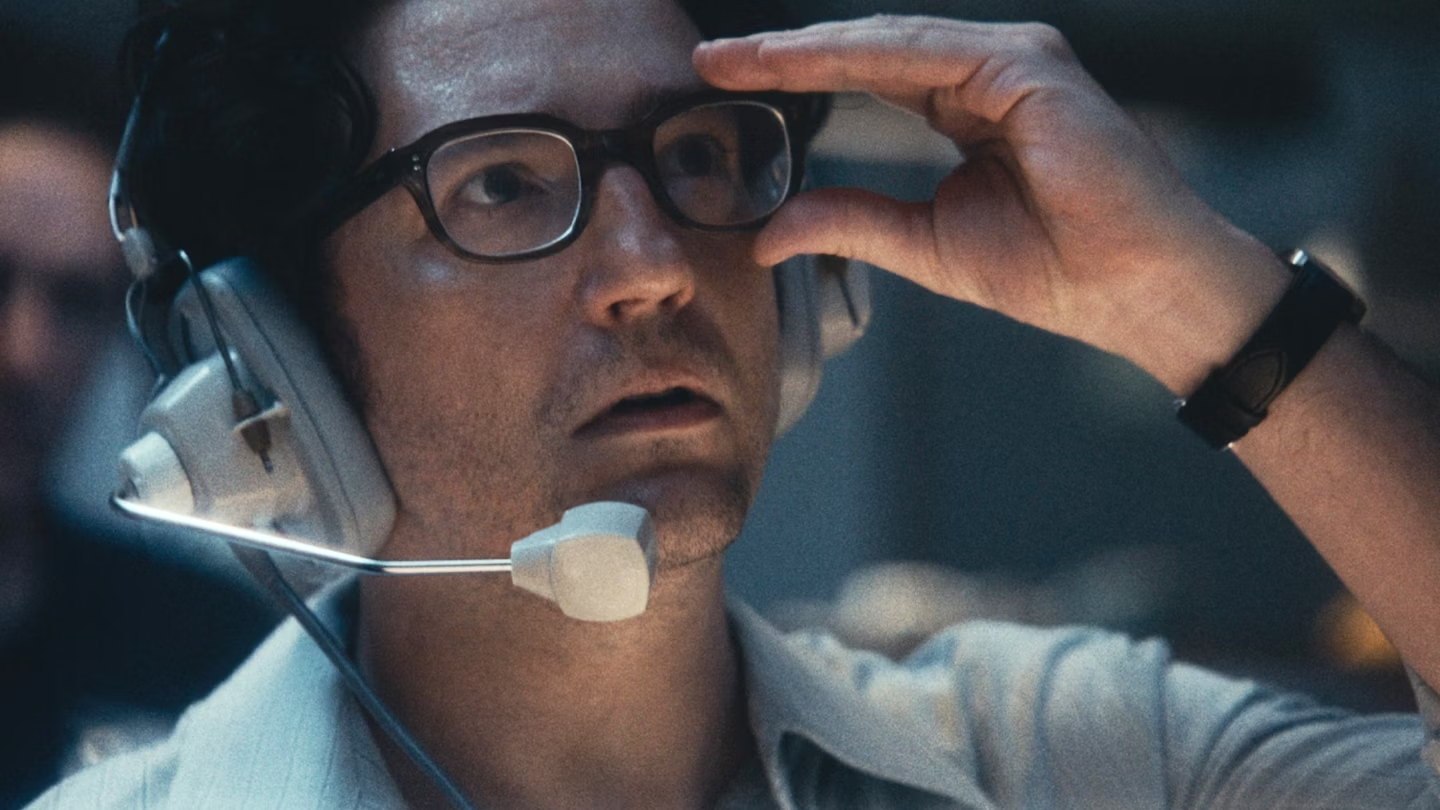
Wading into strikingly relevant political territory, September 5 tells the events of the Munich 1972 Olympic Games – where Israeli athletes were held hostage by militant group Black September, who were demanding the release of hundreds of Palestinian prisoners – from the perspective of the ABC sports crew reporting the events. It was a broadcast that would go down as one of the most watched in history.
Where September 5 slips up is in how apolitical it is. Treading carefully not to choose a side, the film ends up side-stepping important topics and conversations that ultimately renders it somewhat toothless. While an Oscar campaign is secondary in regards to the real-life struggle the film explores, it would appear that in trying to avoid offence or upset, September 5 failed to resonate in a meaningful way with audiences or voters.
The Apprentice
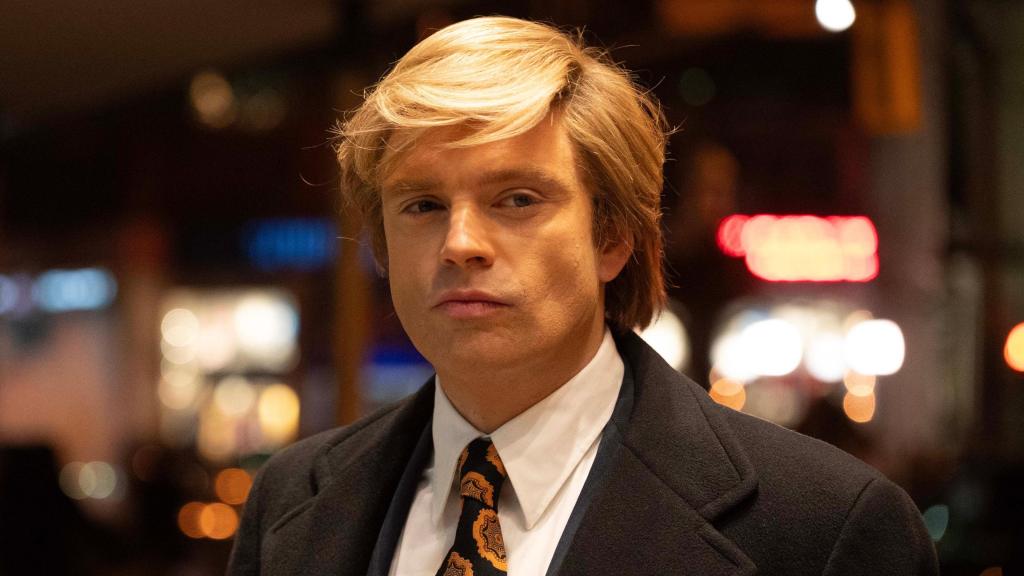
There’s a genuine chance that Ali Abbasi’s The Apprentice, which follows the early rise to fame of one Donald J. Trump, years before he took the White House, could have performed a lot better than it did should the 2024 Presidential Election swung the other way. But that is a timeline we do not get to experience, and so the once-primed independent biographical drama missed out on a Best Picture nomination.
A big part of it, though, came down to fear. Shortly after its premiere at Cannes Film Festival, the filmmakers were sent a cease-and-desist letter by its subject’s attorney, followed by an extensive outpouring from Trump that included him labelling the team behind it “human scum”. Later, when it came to engage in award season campaigning, star Sebastian Stan reported that despite an offer to be involved in Variety’s Actor on Actor segment, which pairs award contenders to discuss their work, his team couldn’t find anybody willing to partner with. “That’s not pointing at anyone specific; we couldn’t get past the publicists or the people representing them because they were too afraid to talk about this movie.”
Although Stan would go on to receive a Best Actor nomination, alongside a nod for Jeremy Strong in the Best Supporting Actor category, it was perhaps the fear of inciting the now-standing president and the difficulty in convincing people to publicly support in the film in the early days of the campaign that prevented The Apprentice from securing a Best Picture nomination.
Nosferatu
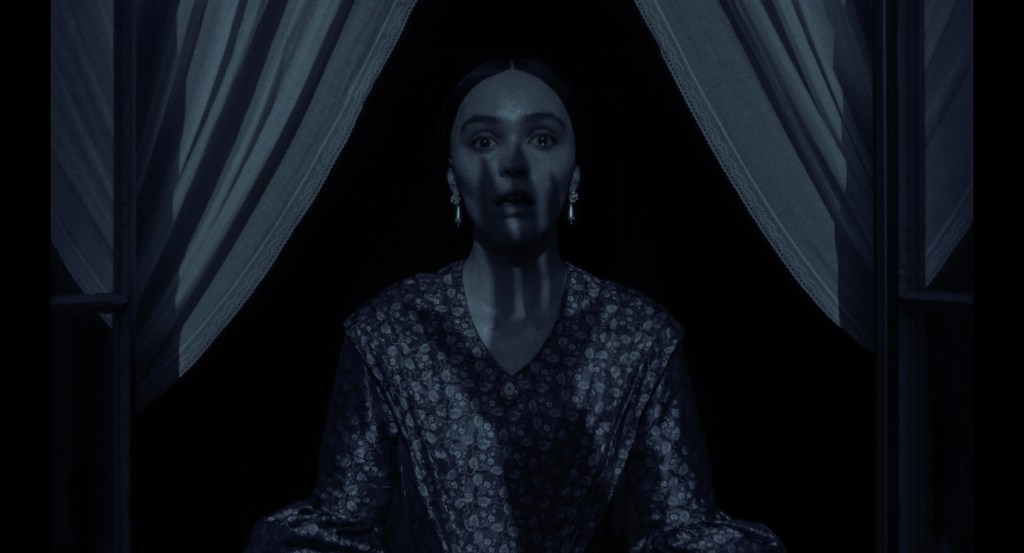
The most-nominated film at the 97th Academy Awards not to score a nomination in Best Picture, Robert Eggers’ Nosferatu was not particularly expected to score in any of the above-the-line categories, but many had hoped it could transform below-the-line attention into a surprise Best Picture nod.
With nominations for cinematography, costume design, production design, and makeup and hair, the Gothic vampire horror is not the Academy’s bread-and-butter, but a strong representation in smaller categories can indicate a greater appreciation for the film as a whole. 2021’s Nightmare Alley (Horror-Fantasy), 2018’s Black Panther (Superhero) and 2009’s District 9 (Sci-Fi) are all Best Picture nominees that managed to overcome their genre bias to turn below-the-line hauls into recognition for that top accolade.
It’s worth questioning whether the film could have snuck in if it wasn’t for The Substance already representing the genre so well in Picture, Director and Actress.
Challengers

Challengers nation, we were truly wronged.
Luca Guadagnino’s steamy tennis flick, which grossed close to $100 million dollars (impressive for a new-to-screen drama for adults) and seemed to inspire a younger generation of film fans after going viral on social media, was perhaps just too cool for Oscar voters.
Its kinetic score, stylish stars and creative direction oozed sophistication, racking up a number of guild victories. But (Golden Globes aside) it spluttered out when it came to the the televised ceremonies, with no support at SAG, BAFTA or ultimately the Oscars.
Perhaps the most notable issue was its release date; while originally stated for an awards-friendly release in the second half of 2023, where it would’ve competed at last year’s ceremony, it was instead pushed to the first half of 2024 as a result of the actor’s strike, which prevented artists promoting their work – something deemed crucial for a star-driven effort like Challengers. Complicated further by the release of Guadagnino’s Queer in the latter half of the year, which similarly failed to translate general acclaim to nominations and arguably distracted from Challengers’ chances, this one will surely go down as one of the most ludicrous “wait…. this wasn’t nominated?!” contenders in some time.
 Not Too Loud
Leave a comment