
For every LGBTQ+ film that manages to breakthrough into the mainstream – Brokeback Mountain (2005), Moonlight (2016), Love, Simon (2018) etc. – sadly there are many others that go unnoticed.
Admittedly, it can be hard to find these hidden gems. Limited distribution, lack of promotion and short (sometimes non-existent) theatrical runs all contribute to the difficulty in seeking them out. However, with the abundance of streaming and the ever-reliable presence of physical media there’s a wealth of queer titles ready to be discovered, you just need to know what to look for.
With a view to showcase some of these lesser-seen films, each of the nine “hidden gems” selected here are marked as watched by 15,000 or less Letterboxd users. So, read on and you might just find a new favourite.
Lilting (2014)
Directed by: Hong Khaou
Written by: Hong Khaou
Run Time: 1 hour 31 minutes
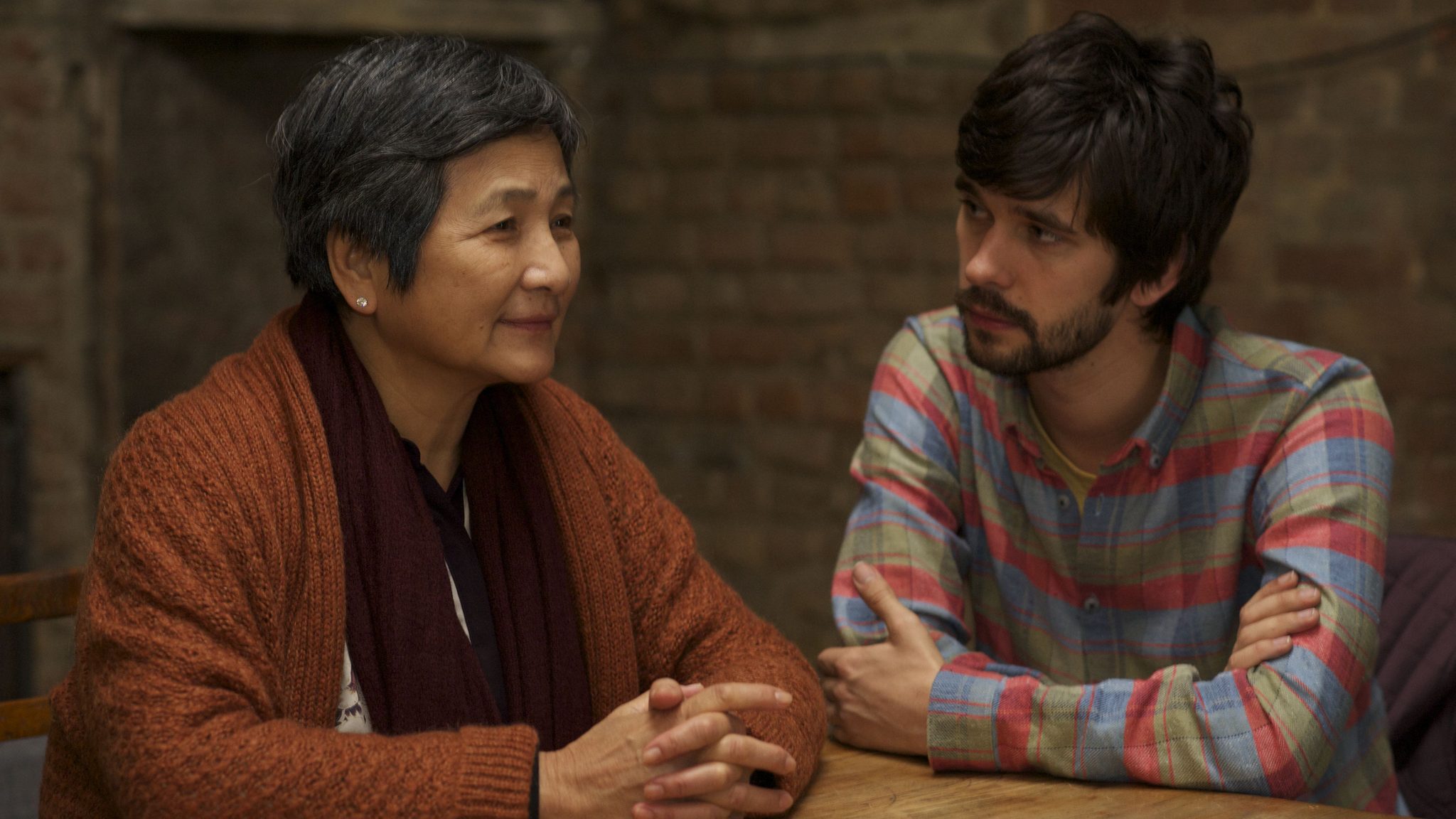
Hong Khaou’s feature debut, Lilting tells the story of a young man, Richard (Ben Whishaw) and an older woman, Junn (Cheng Pei-pei), both of whom are individually mourning the loss of their respective partner and son. As Richard attempts to connect with Junn he has to navigate the testing language barrier between them, but as they begin to articulate their grief to each other a touching, albeit challenging, portrait of love and loss begins to emerge.
Paris 05:59: Théo & Hugo (2016)
Directed by: Olivier Ducastel and Jacques Martineau
Written by: Olivier Ducastel and Jacques Martineau
Run Time: 1 hour 37 minutes
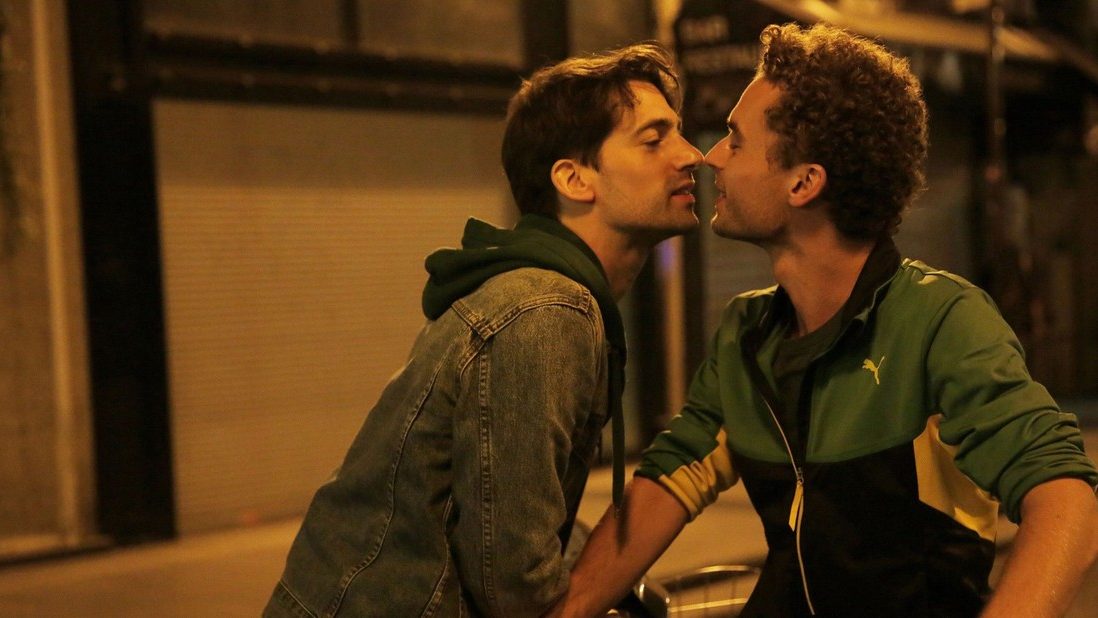
After opening with a refreshingly uninhibited, twenty-minute long sequence set in a gay sauna, Paris 05:59: Théo & Hugo sees its titular duo wander the streets of the French capital. Unfolding in real time, this romantic drama captures all the excitement of newfound desire and attraction. The absorbing dialogue between Théo (Geoffrey Couët) and Hugo (François Nambot) also allows the film to progress the cinematic discussion around HIV, challenging its stigma and showing just how easily and effectively it’s now managed.
Sauvage (2018)
Directed by: Camille Vidal-Naquet
Written by: Camille Vidal-Naquet
Run Time: 1 hour 37 minutes
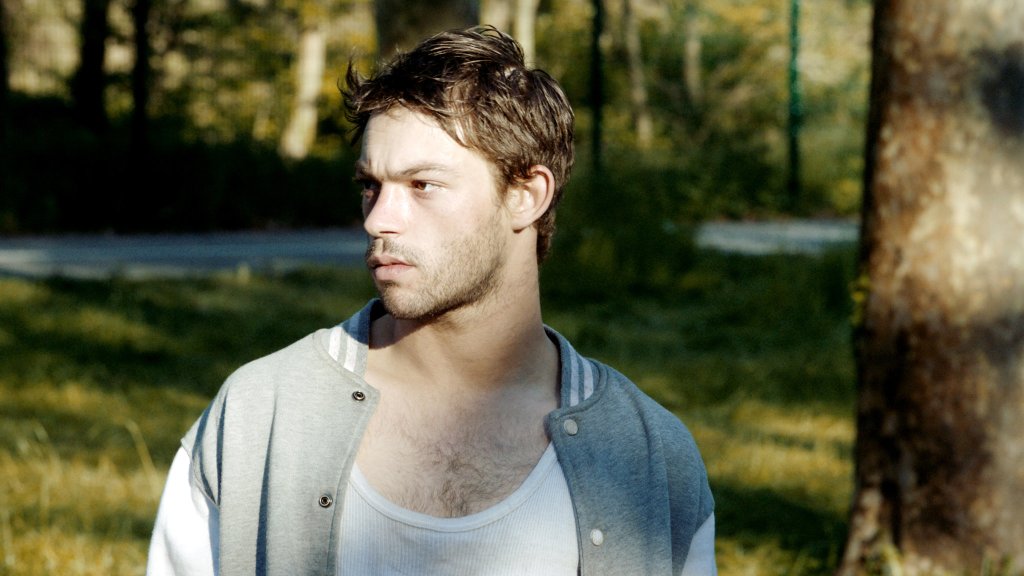
Léo (Félix Maritaud), a young sex-worker, is making what living he can picking up clients from streets and bars, but his heavy drug use and deteriorating health are increasingly becoming cause for concern. Despite this, he remains optimistic about finding love in the unlikeliest of circumstances. Camille Vidal-Naquet’s debut reminds audiences that everyone is deserving of love. Yet, in highlighting the difficultly of breaking free from what’s most comfortable and familiar to him, much to its credit, Sauvage maturely avoids romanticising Léo’s story, instead grounding itself in the harsh truths of his life.
1985 (2018)

Directed by: Yen Tan
Written by: Yen Tan
Run Time: 1 hour 25 minutes
Returning home to Texas after living in New York City for several years, Adrian (Corey Michael Smith) reunites with his mum, dad and brother for a family Christmas. There’s more to Adrian’s visit than just wanting to come home for the holidays though, and as the real reason becomes clearer an especially upsetting picture comes into focus. Presented in sombre greyscale, 1985 is a deeply moving insight into the heartbreaking reality that so many gay men faced during this devastating period of queer history.
End of the Century (2019)
Directed by: Lucio Castro
Written by: Lucio Castro
Run Time: 1 hour 24 minutes
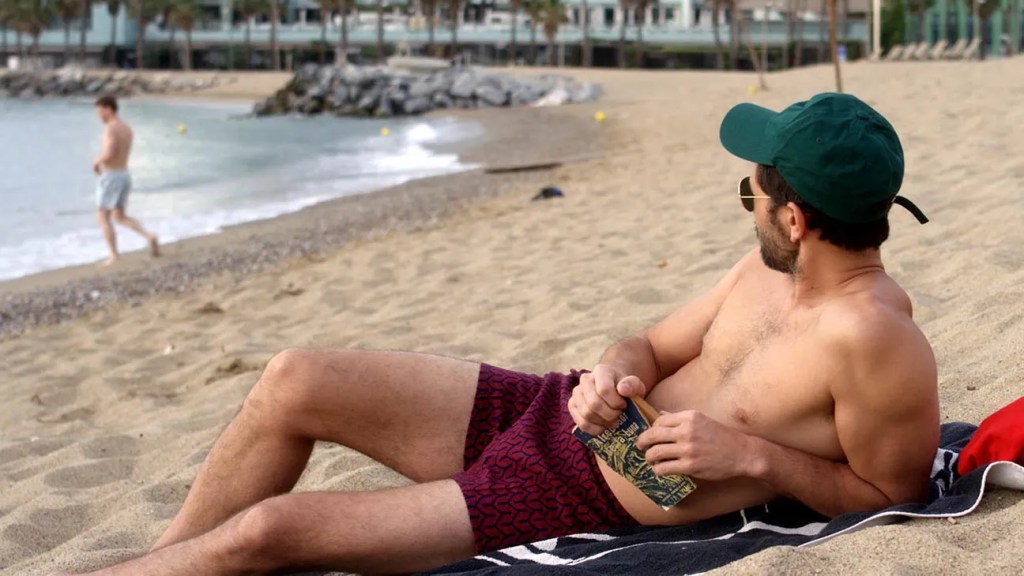
While vacationing alone in Barcelona, Ocho (Juan Barberini) meets Javi (Ramon Pujol) and subsequently they spend the day together. However, the pair eventually realise that their paths may have crossed before. It’s a premise that has a touch of Richard Linklater’s acclaimed Before trilogy to it. Although – and while released several years later – it has an even stronger essence of Celine Song’s beautiful Past Lives (2023). As with the past, present and future all colliding, End of the Century becomes a dreamlike reflection on what can come of a seemingly fleeting encounter.
The Strong Ones (2019)
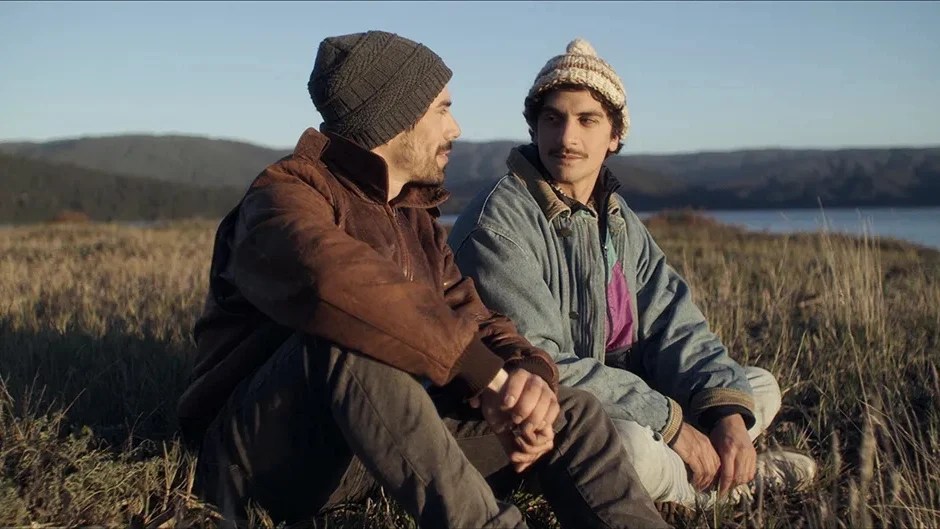
Directed by: Omar Zúñiga Hidalgo
Written by: Omar Zúñiga Hidalgo
Run Time: 1 hour 38 minutes
While visiting his sister in Chile, Lucas (Samuel González) falls for local fisherman, Antonio (Antonio Altamirano). With their romance quickly intensifying Lucas is faced with a difficult decision: stay and make a life with Antonio, or move to Montreal for a postgraduate scholarship. It’s a familiar premise, but with the lead actors’ electric chemistry, several emotive needle-drops and the welcome presence of much Chilean history and culture, The Strong Ones is an effortlessly compelling watch.
Anaïs In Love (2021)
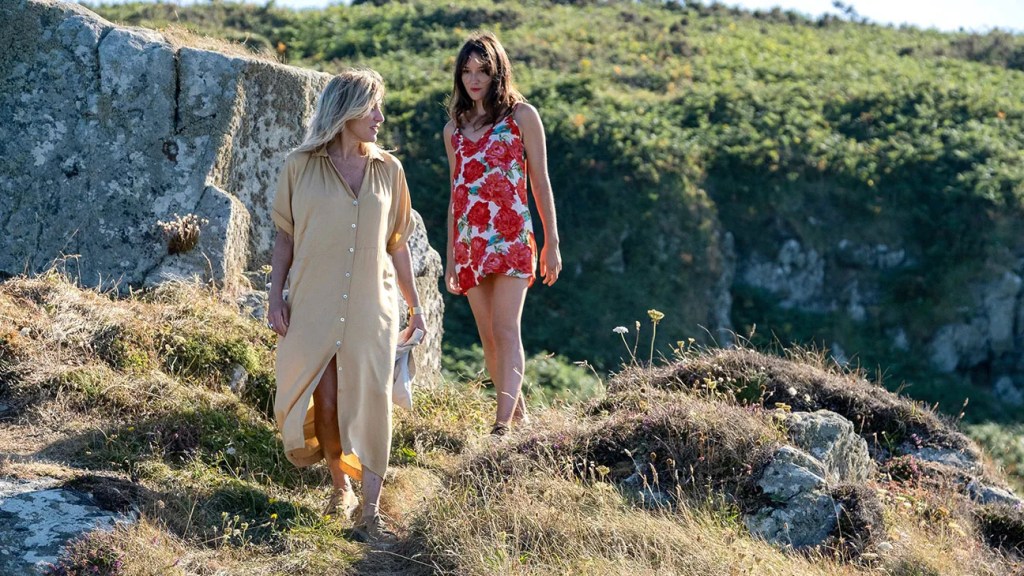
Directed by: Charline Bourgeois-Tacquet
Written by: Charline Bourgeois-Tacquet
Run Time: 1 hour 38 minutes
Anaïs (Anaïs Demoustier) is a spirited and impulsive young woman, hastily moving from relationship to relationship all while trying to complete her university thesis. She goes on to become enamoured with an older writer, Emilie (Valeria Bruni Tedeschi), who just so happens to be the partner of one of the men she’s been seeing. Through the titular character’s relentless pursuit of her own desires and distinct lack of inhibitions, Anaïs in Love provides a thoughtful and entrancing meditation on passion, circumstance and longing.
Wildhood (2021)

Directed by: Bretten Hannam
Written by: Bretten Hannam
Run Time: 1 hour 47 minutes
After discovering that his mother who he previously thought was dead is actually still alive, Lincoln (Phillip Lewitski) leaves his abusive home in the hopes of finding her. Along the way he meets two-spirit dancer, Pasmay (Joshua Odjick) who helps him in his search while also reconnecting him with his Indigenous roots. The pair share an affectionate chemistry, demonstrating the healing power of chosen family. Steeped in First Nations representation, Wildhood is a coming-of-age, road-trip movie that’s as charming as it is important.
Monica (2022)
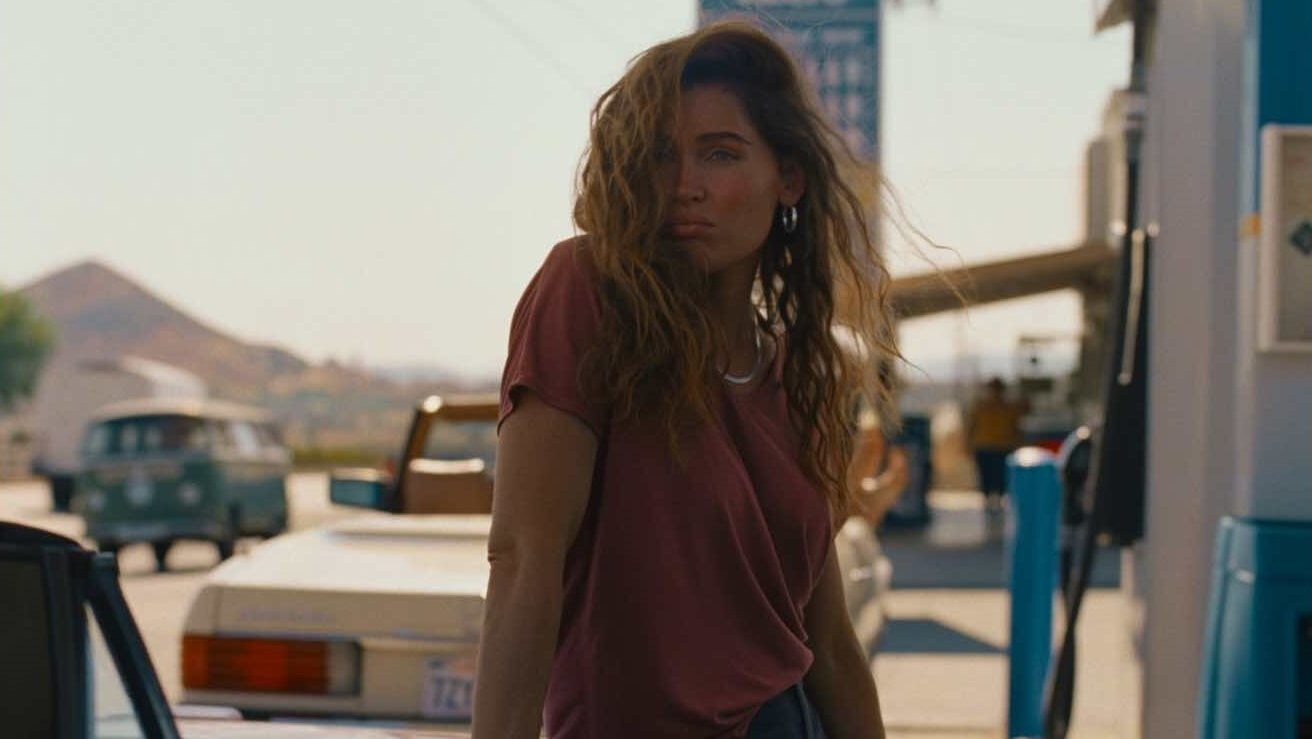
Directed by: Andrea Pallaoro
Written by: Andrea Pallaoro and Orlando Tirado
Run Time: 1 hour 53 minutes
Returning home to help her relations care for her terminally-ill mother, Monica (Trace Lysette) – previously estranged from her family – is forced to confront her traumatic familial history. Gradually revealing her story, Monica offers a stripped-back exploration of domestic transphobia while also featuring a truly sobering depiction of end-of-life care. Its approach to both makes Monica a wonderfully sensitive, often quiet film, but one that certainly deserves to have more noise be made about it.

 Not Too Loud
Leave a comment